New & Noteworthy
Collector’s Cabinet
-
![]()
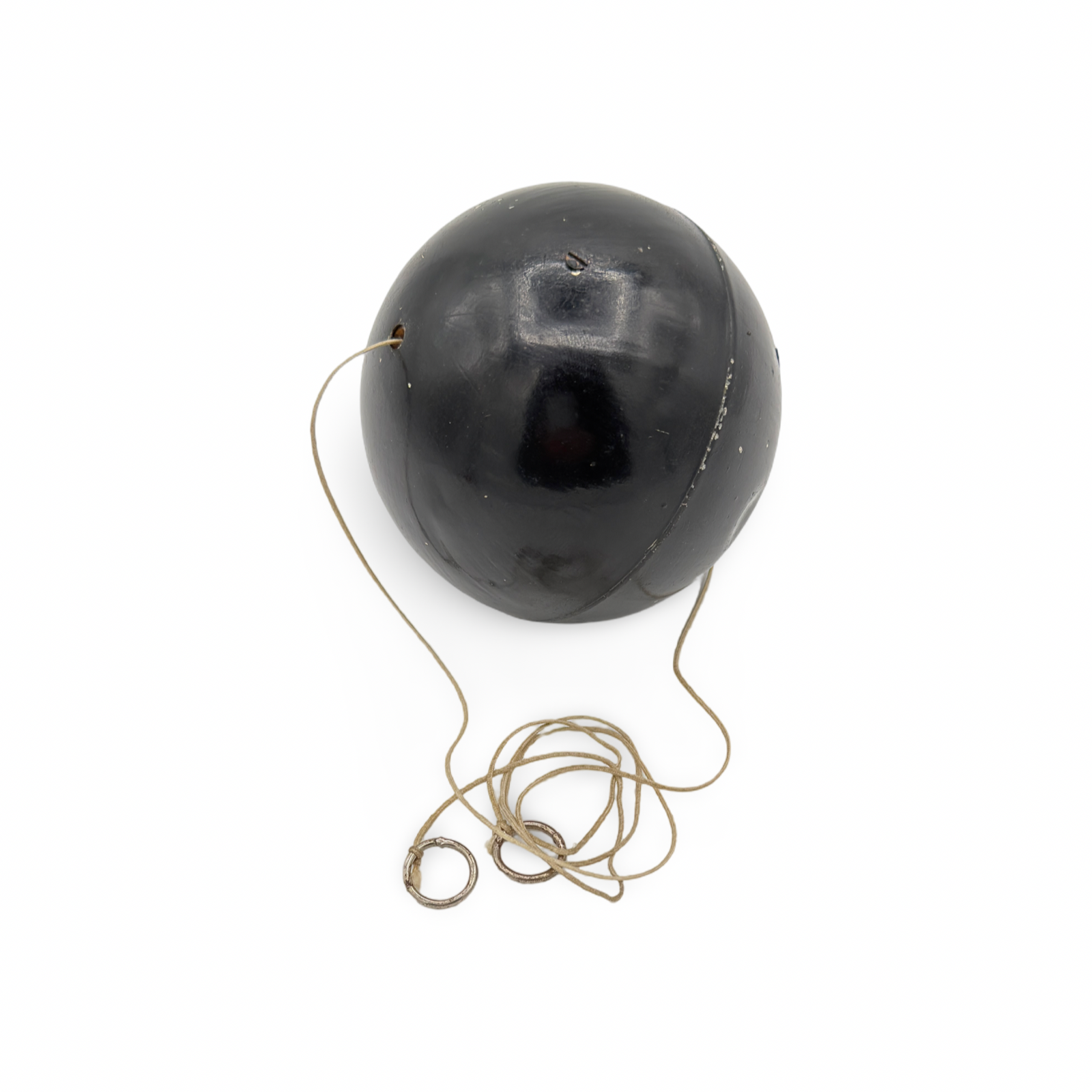
New: Obedio Ball
Thayer, ca. 1930S to 1940s.
A clever Thayer control effect. A black lacquered wooden ball travels along a length of cord, stopping and releasing at the performer’s command. Turned hardwood ball in the larger 3 ¼” format, threaded on cord with metal rings. Smooth, responsive internal mechanism.
-
![20 Best Card Secrets. Mephisto Novelty Company, Los Angeles, 1936.]()
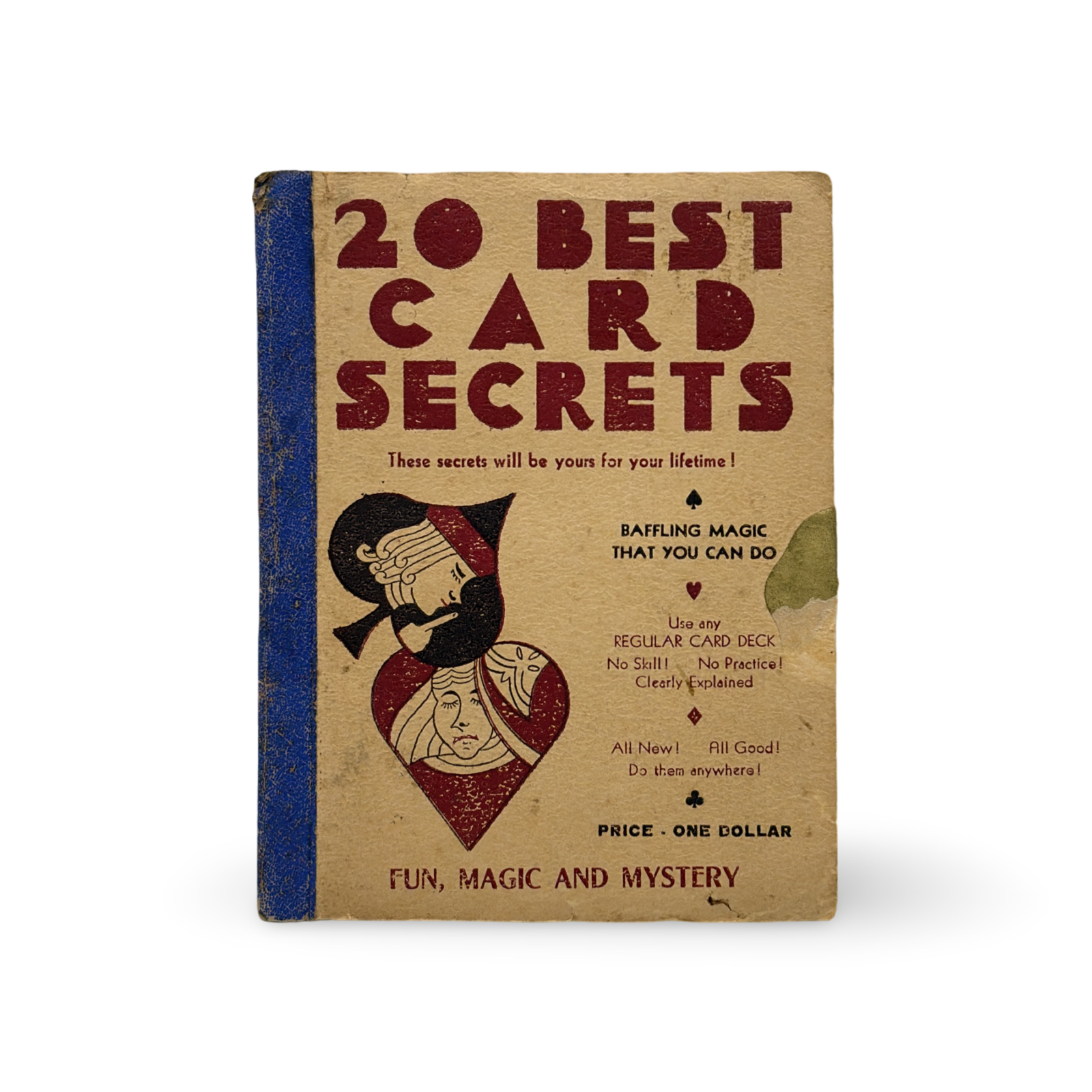
New: 20 Best Card Secrets
Mephisto Novelty Company, Los Angeles, 1936.
Small-format booklet of card effects using a regular deck. Illustrated paper covers with bold court card design. 56 pages in pocket-sized softcover format. General wear to covers, including edge wear and small losses. Interior presumed complete. A scarce, ephemeral example of early mass-market magic literature.
-
![Bud West & Abbott's Magic Manufacturing Co. 1970's]()
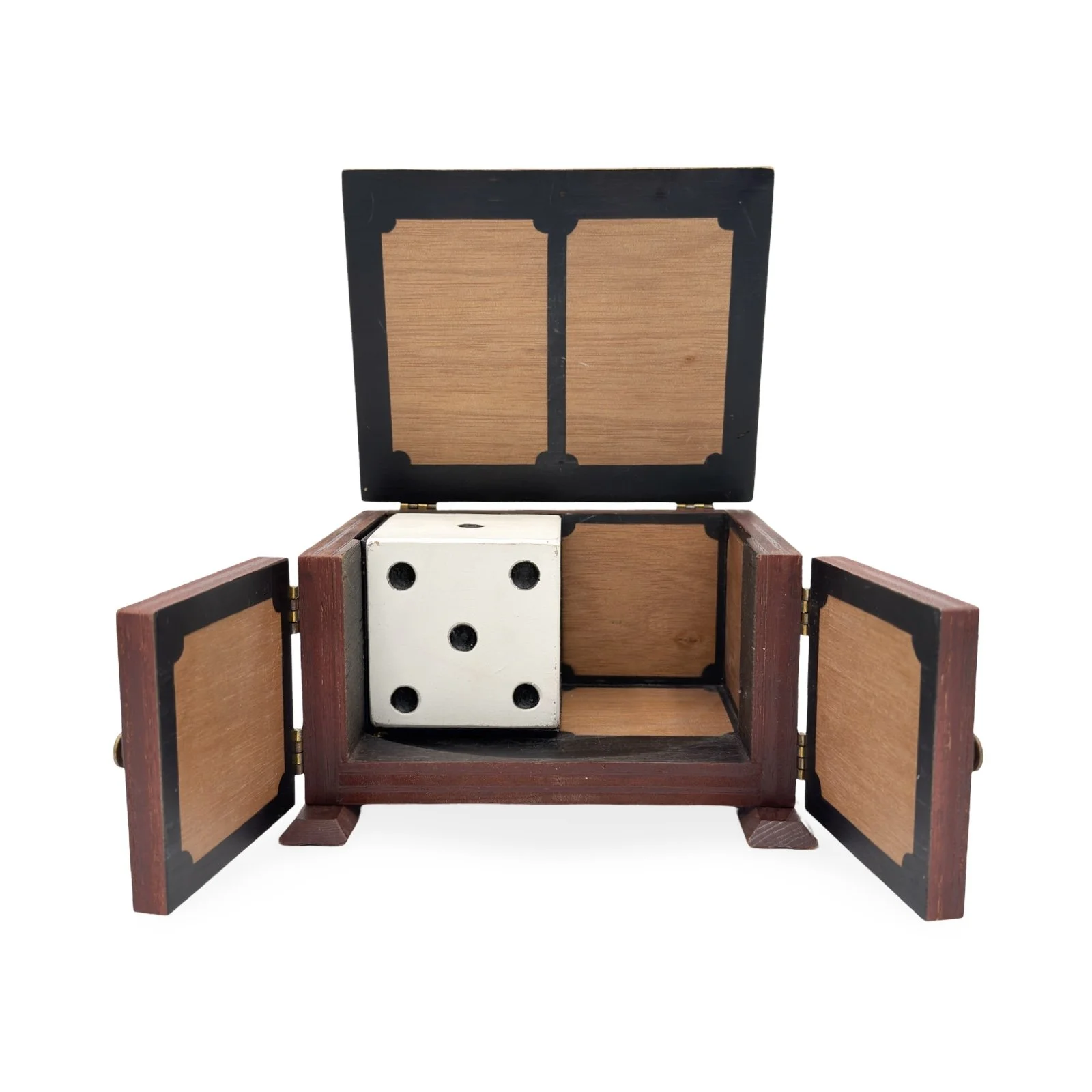
New: Shenanigan Die Box
Bud West Die Box. Abbott’s Magic Mfg. Co., ca. 1970s.
Compact wooden die box of Bud West’s design, in the smaller early 3” format. Double-door cabinet with sliding die and characteristic sound convincer. Well-made with contrasting panels and brass hardware. Includes original instructions. Cabinet measures approx. 7” × 5.5” × 4.5”.
-
![DeMuth Visible Milk Bottle, ca. 1940s]()
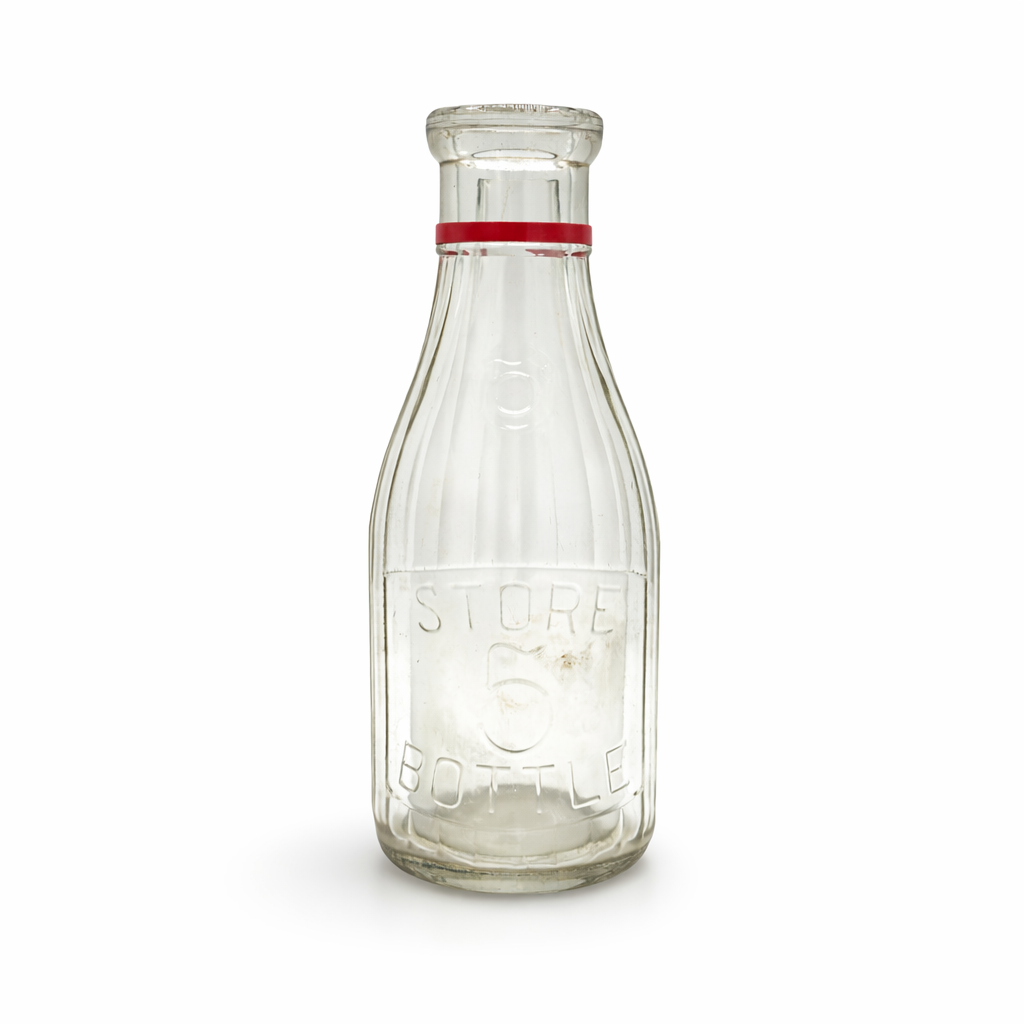
New: DeMuth Visible Milk Bottle, ca. 1940s
Heavy clear embossed glass quart bottle, prepared for the classic visible vanish of milk. Retains original red neck band (worn, with loss). Interior residue and light clouding from age and use. Expected handling wear. A solid mid-century utility example.
-
![Sold: Ribbon of Cleopatra Limited Edition Magic, ca. 2015.]()
Sold: Ribbon of Cleopatra
Limited Edition Magic, ca. 2015.
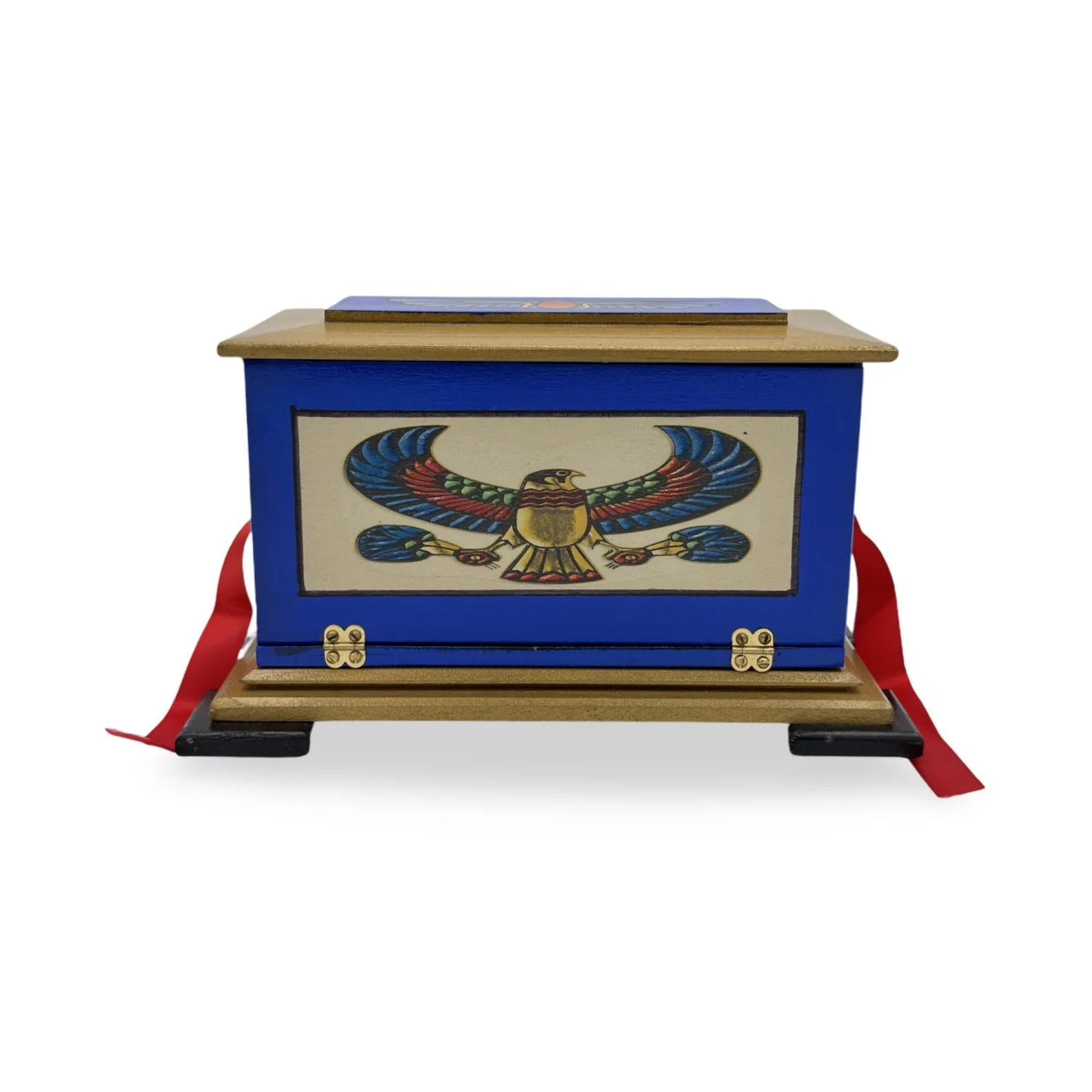
One of 12 produced. Egyptian-themed cabinet in blue and gold, decorated with a winged motif. Doors open to display a ribbon running through the interior; cut and instantly restored in performance. Measures approx. 7″ × 4″ × 3.5″. A scaled interpretation of Alan Warner’s Siamese Ribbon.
-
![]()
New: Improved Ein Stein
Gimacs Unlimited (Richard Himber), New York, ca. 1960
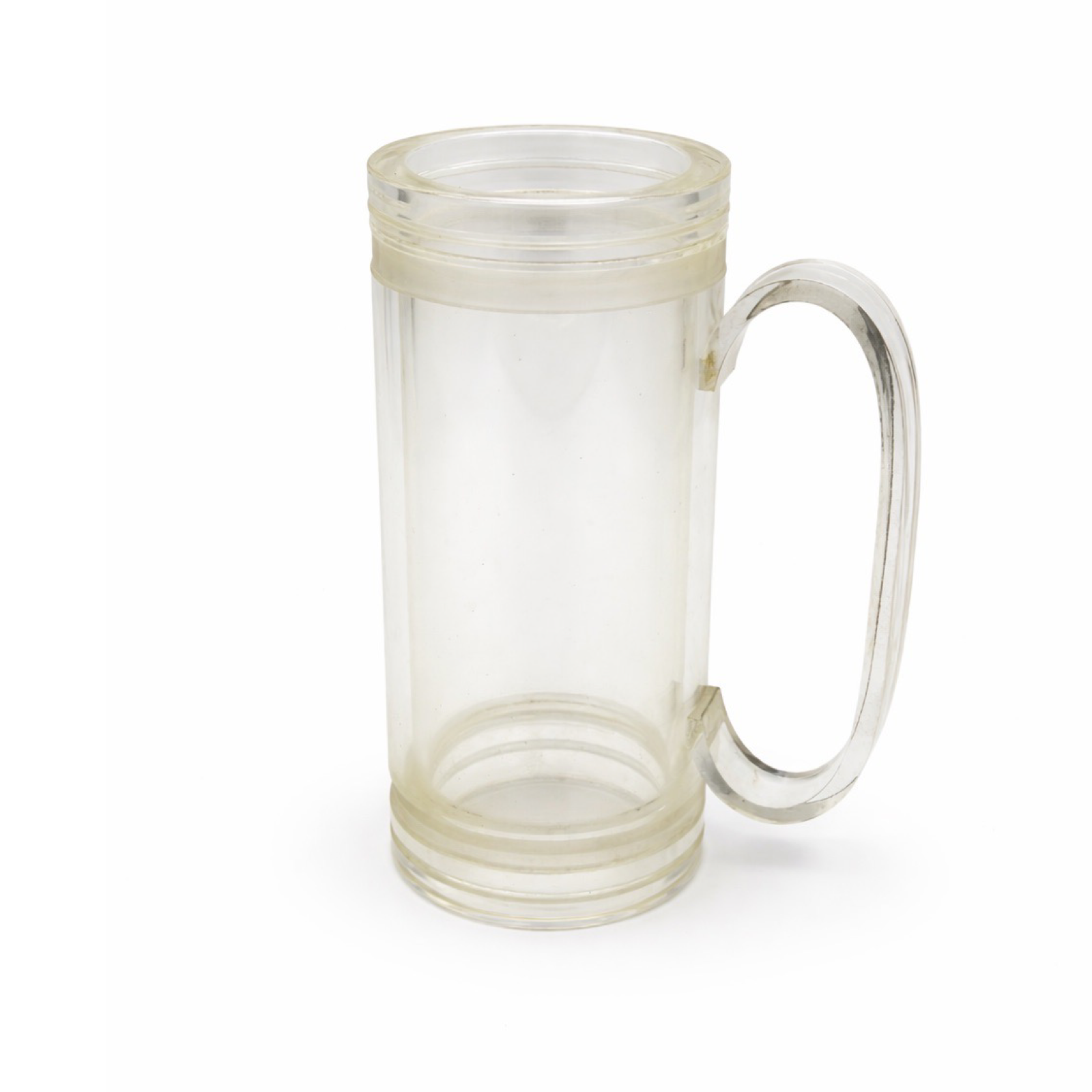
A clear Lucite beer stein is shown filled with liquid—typically milk—yet its entire contents are poured into a much smaller vessel, an impossible transposition of volume. A classic Himber-style effect combining visual clarity with mechanical ingenuity. Clear acrylic (Lucite) stein, approximately 7” high. Light toning and wear consistent with age. Very good condition. Rare
-
![New: Jumbo Four Ace Stand]()
New: Jumbo Four Ace Stand
Thayer, ca. 1930s–40s
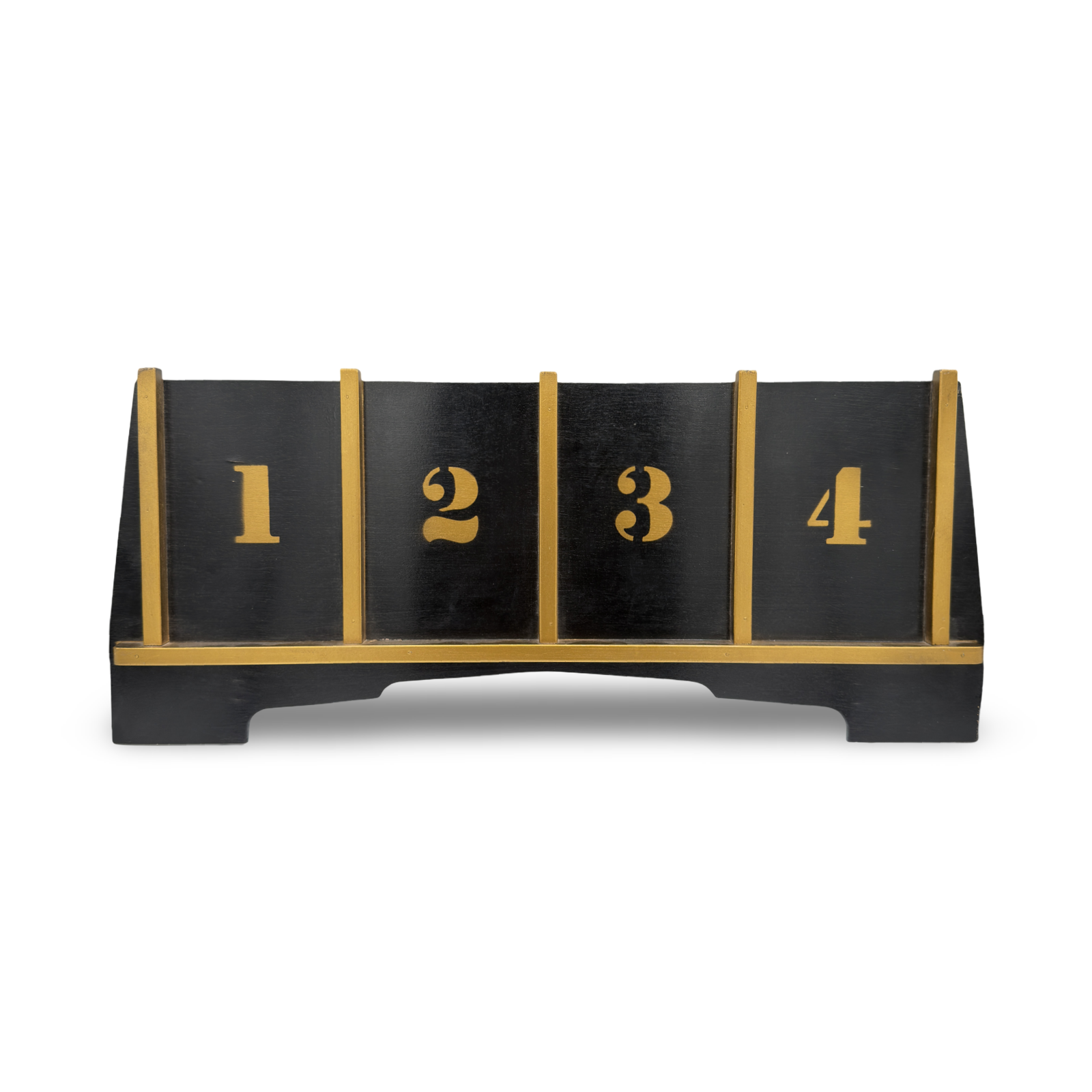
Ebonized wood stand with gilt dividers and numerals 1–4, for displaying and secretly switching Jumbo cards. Used for clean Four Aces sequences or transformations. Measures approx. 23 × 10”. Very good condition.
-
![Chop Chop’s Egglass]()
New: Chop Chop’s Egglass
Al Wheatley, mid-20th century.
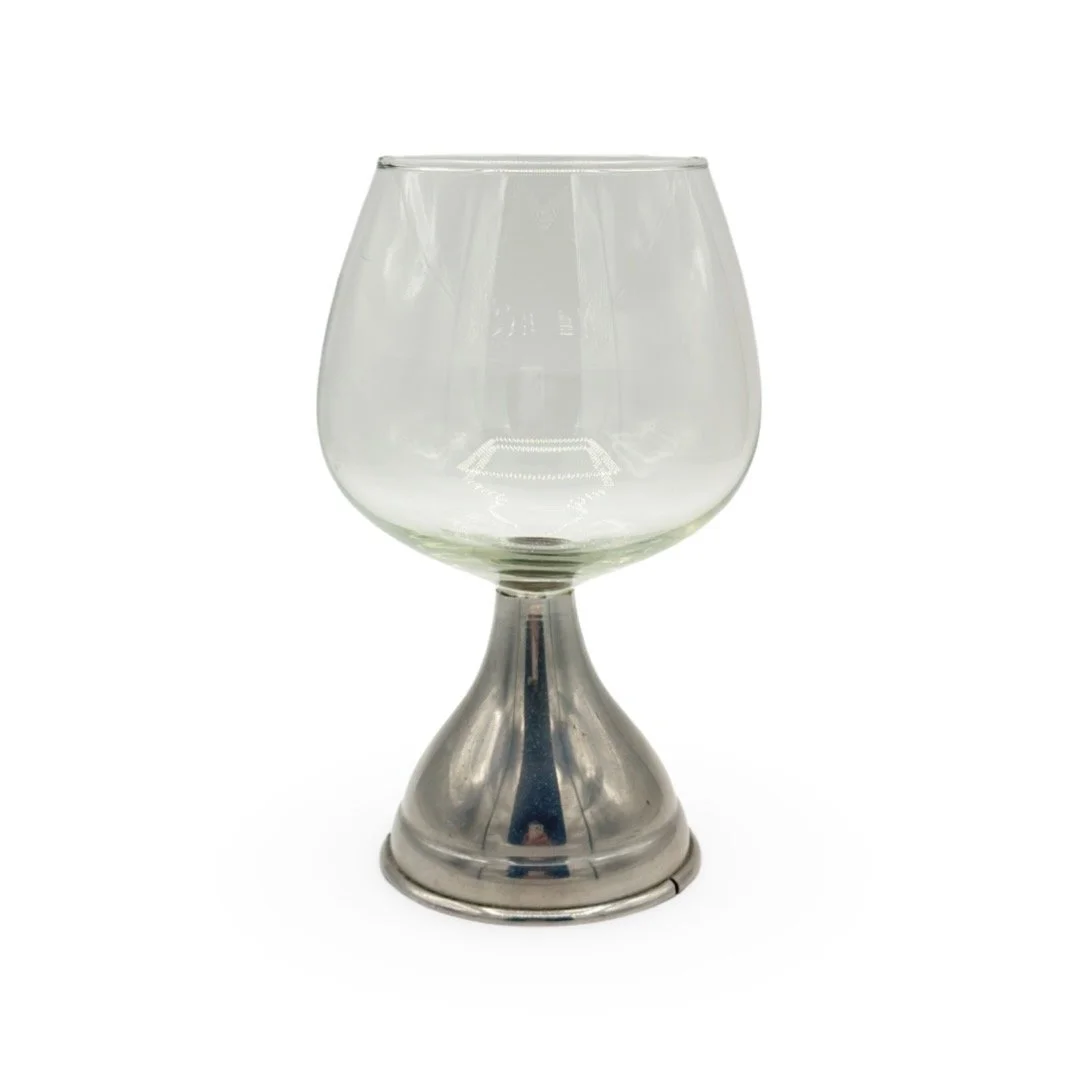
Gimmicked stemmed glass for the classic egg on fan style effect using a brandy snifter style glass. Crumpled paper placed in the bowl visibly becomes a real egg, which may be broken into the glass.
With original printed instructions. Glass intact; light wear to metal base. Very good condition. Uncommon.
-
![Chinese Sticks- Silent Mora (Louis McCord), 1953]()
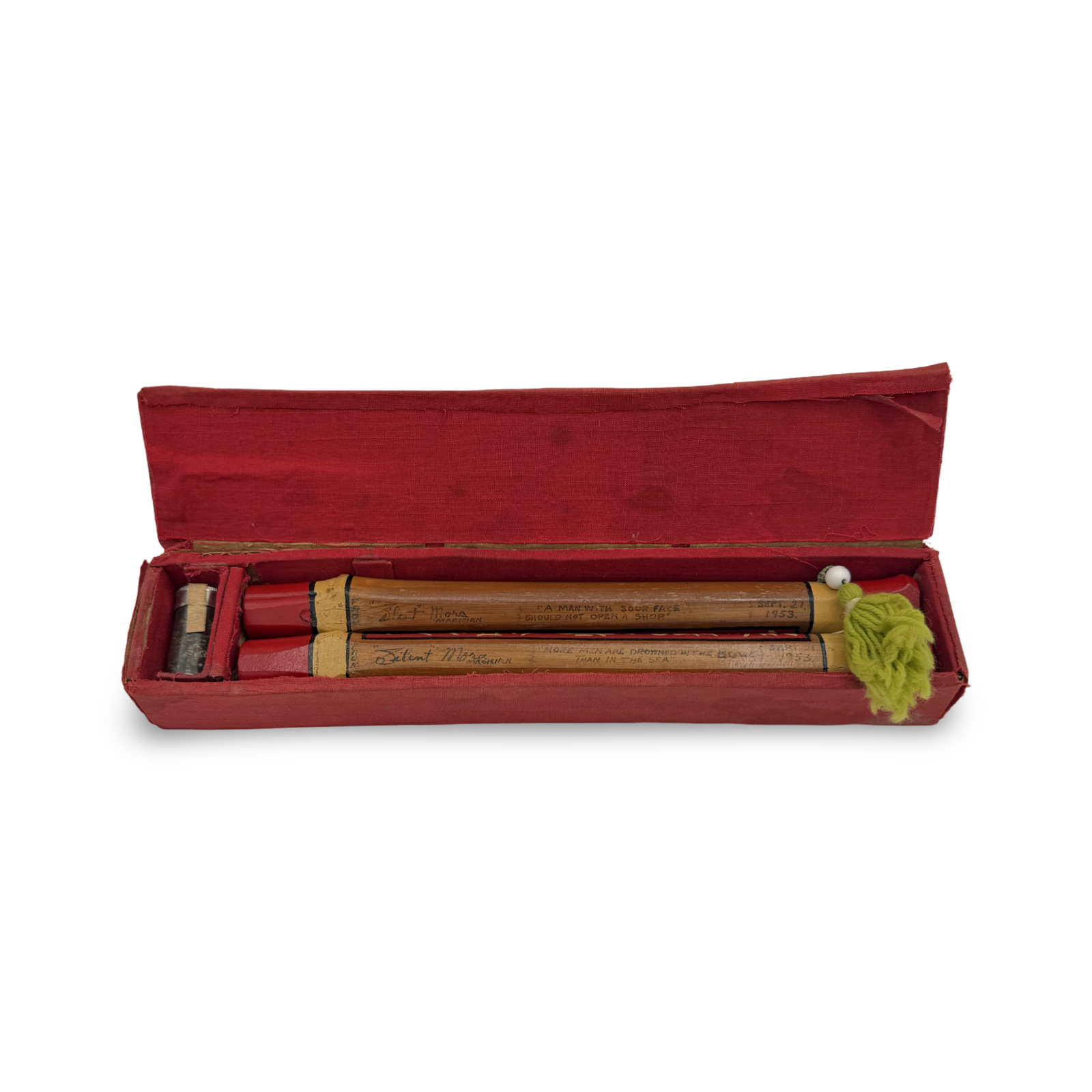
Featured: Chinese Sticks
Silent Mora (Louis McCord), 1956
A classic sympathetic-cord illusion in which the cords running through each bamboo stick mysteriously respond to one another— when one end is pulled, the other retracts, despite no visible connection. Hand-made and hand-painted by Silent Mora (Louis McCord), signed and dated in his hand (Sept. 21, 1956), and inscribed with the proverbs.
-
![Phenix]()
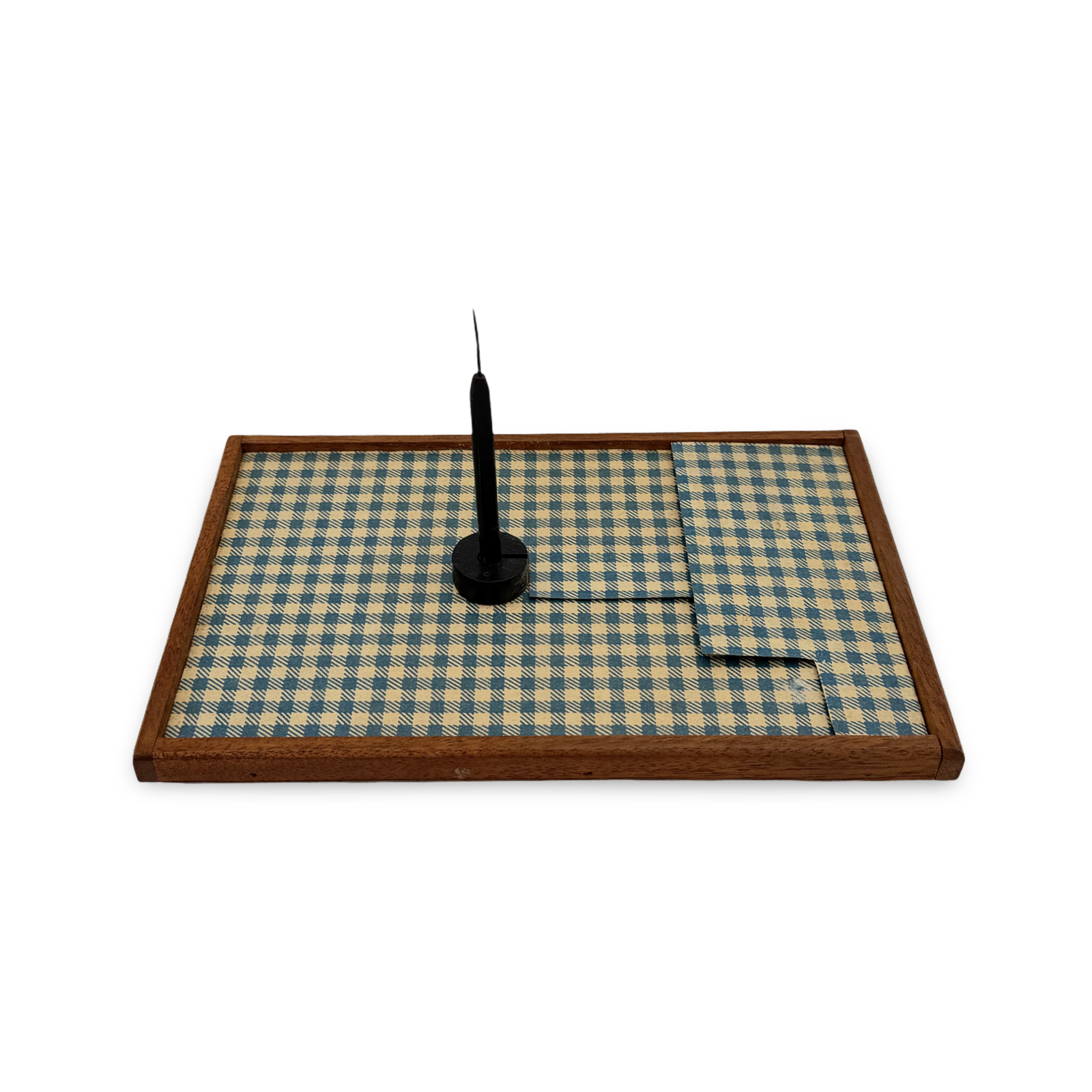
Featured: The Phenix
E.J. Moore, ca. [?]
An evocative effect inspired by ancient Egyptian mythology. The Phenix—sacred bird of legend—was said to appear every 500 years, immolating itself upon an altar before rising anew from the ashes, a symbol of immortality and resurrection (Funk & Wagnalls).
In performance, a marked strip of paper is placed upon a staff, burned, and instantly restored—quick as a flash. A poetic blend of myth and magic. Provenance: Andrew Pinard collection
-
![Watch Stand]()
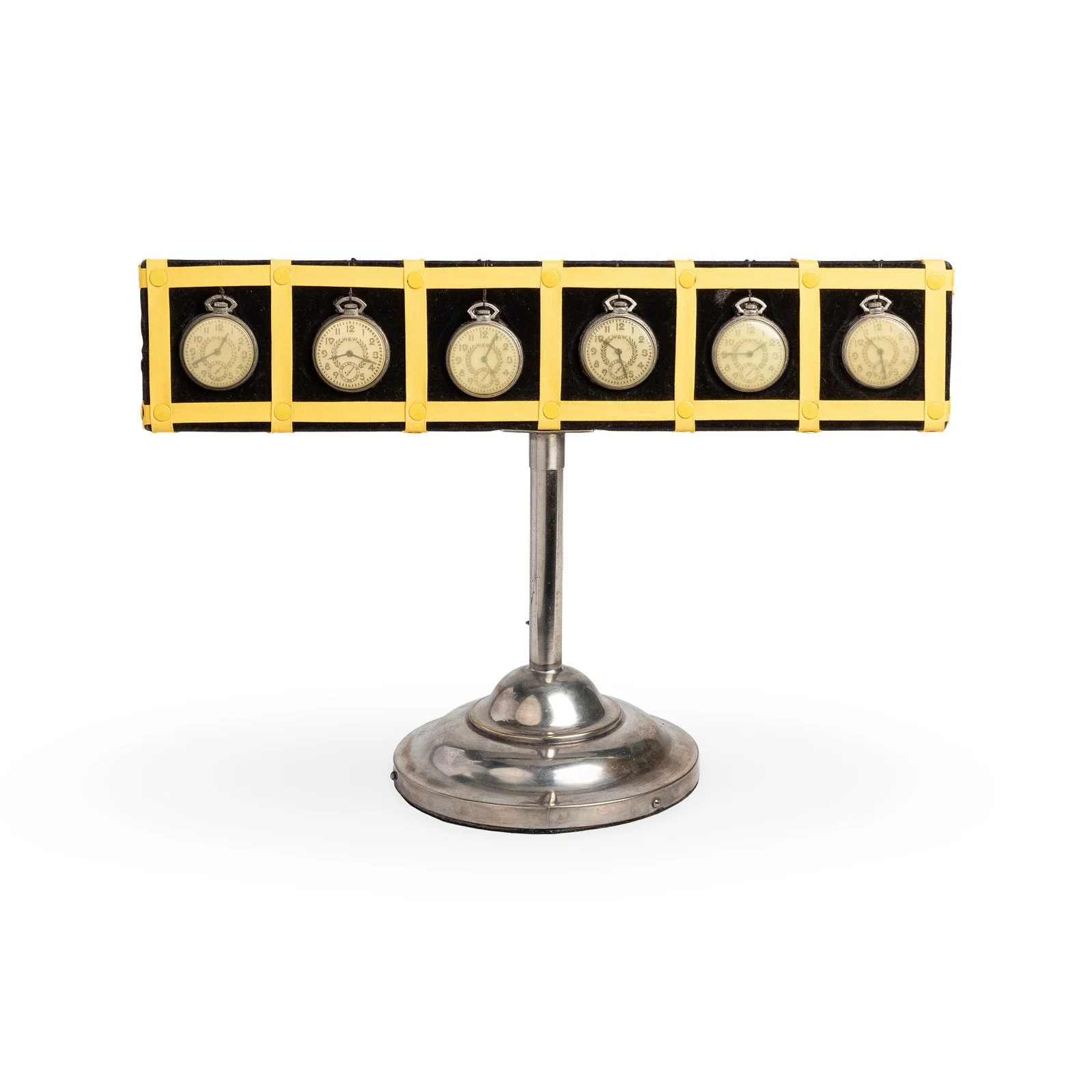
Featured: Watch Stand
Ireland Magic, ca. 1930
A finely engineered mechanical stand designed to facilitate the production or vanish of up to six pocket watches in rapid succession. Constructed with a heavy nickel-plated base, lending both stability and an attractive gleam. An impressive display piece from the inventive Chicago firm of Laurie Ireland, known for its precision-built apparatus. Height 17 ¾”, width 12”.
-
![Houdeen Performance Posters]()
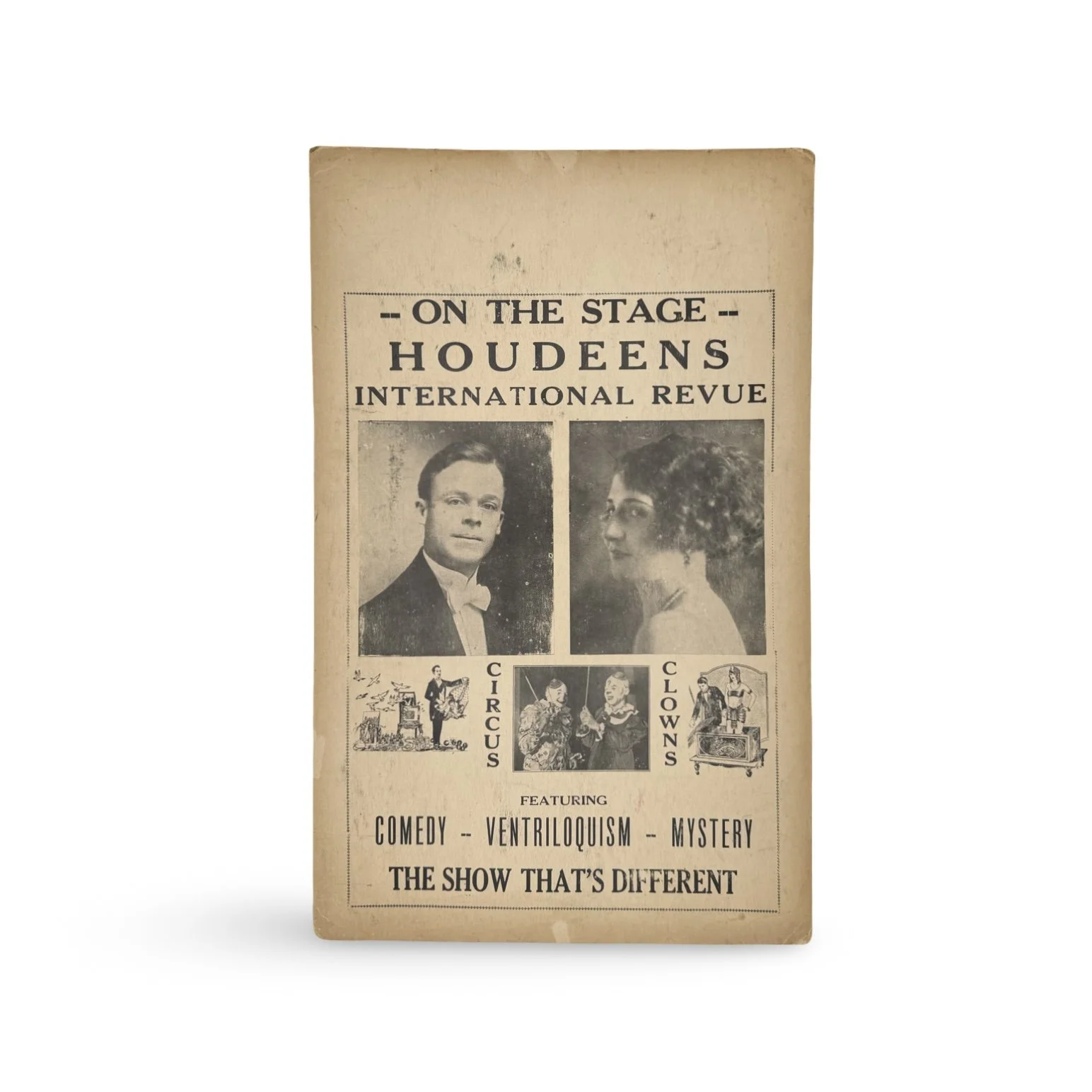
Featured: Houdeen Posters
Houdeen—stage name of Svenne Herman DeHolt (1890–1968)—enjoyed a remarkable career that spanned more than 50 years, enchanting audiences in schools, auditoriums, and community halls across the country. His passion for magic lived on through his son, Jack, who followed in his footsteps and toured with the popular Ken Griffin show. DeHolt’s enduring contributions to the art of magic were honored in New Tops and other leading magic journals, where his obituary paid tribute to a life devoted to wonder and illusion.
-
![Bird Box, after Martinka]()
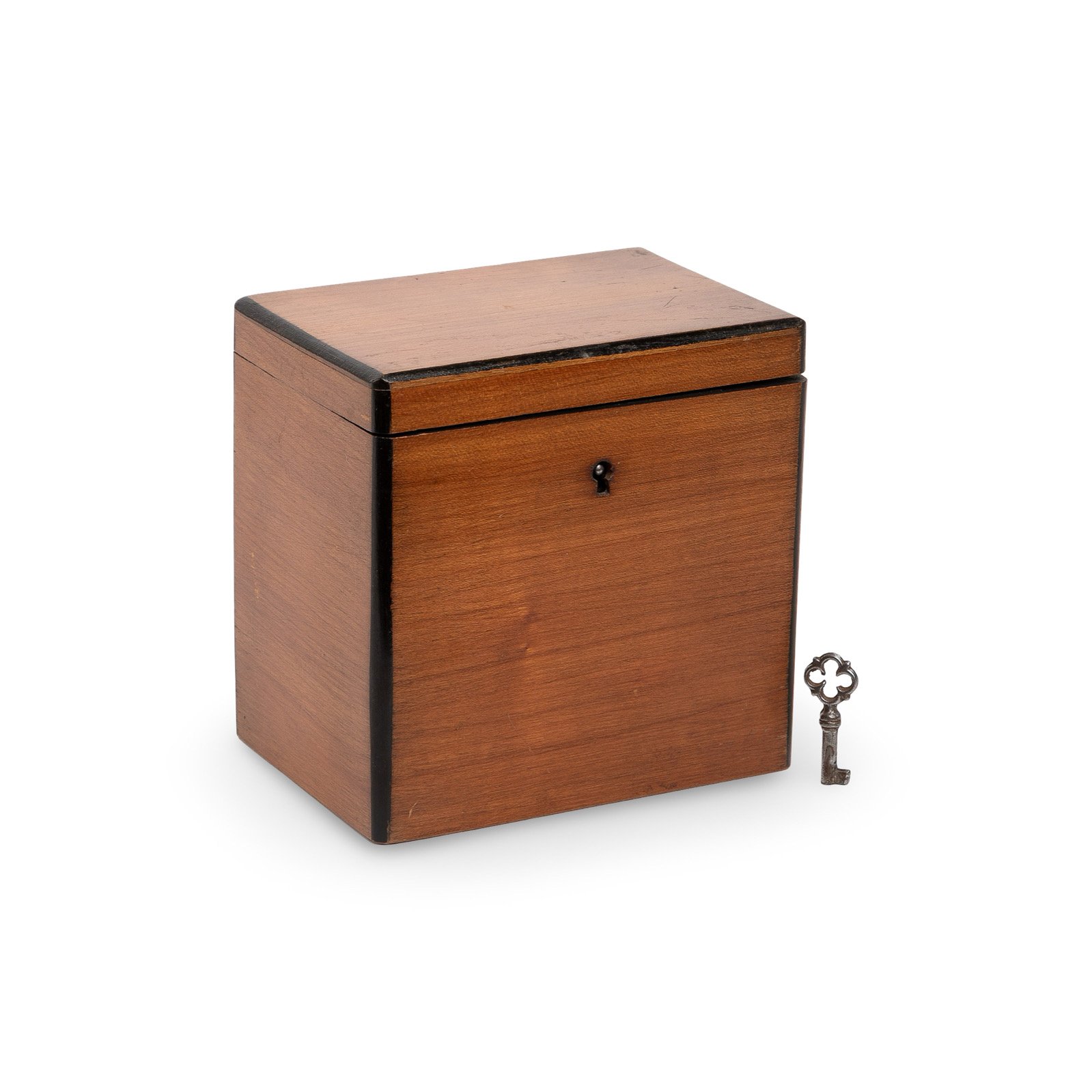
Featured: Bird Box, ca. 1890
After Martinka & Co. A selected card is placed into a finely crafted wooden box, its lid gently closed. Moments later, when reopened, the card has vanished—only to be replaced by a live bird. The missing card is then discovered in an unexpected location. Beautifully constructed from hardwood with rich ebonized accents, this piece embodies the wonder and elegance of 19th-century magic.
-
![]()
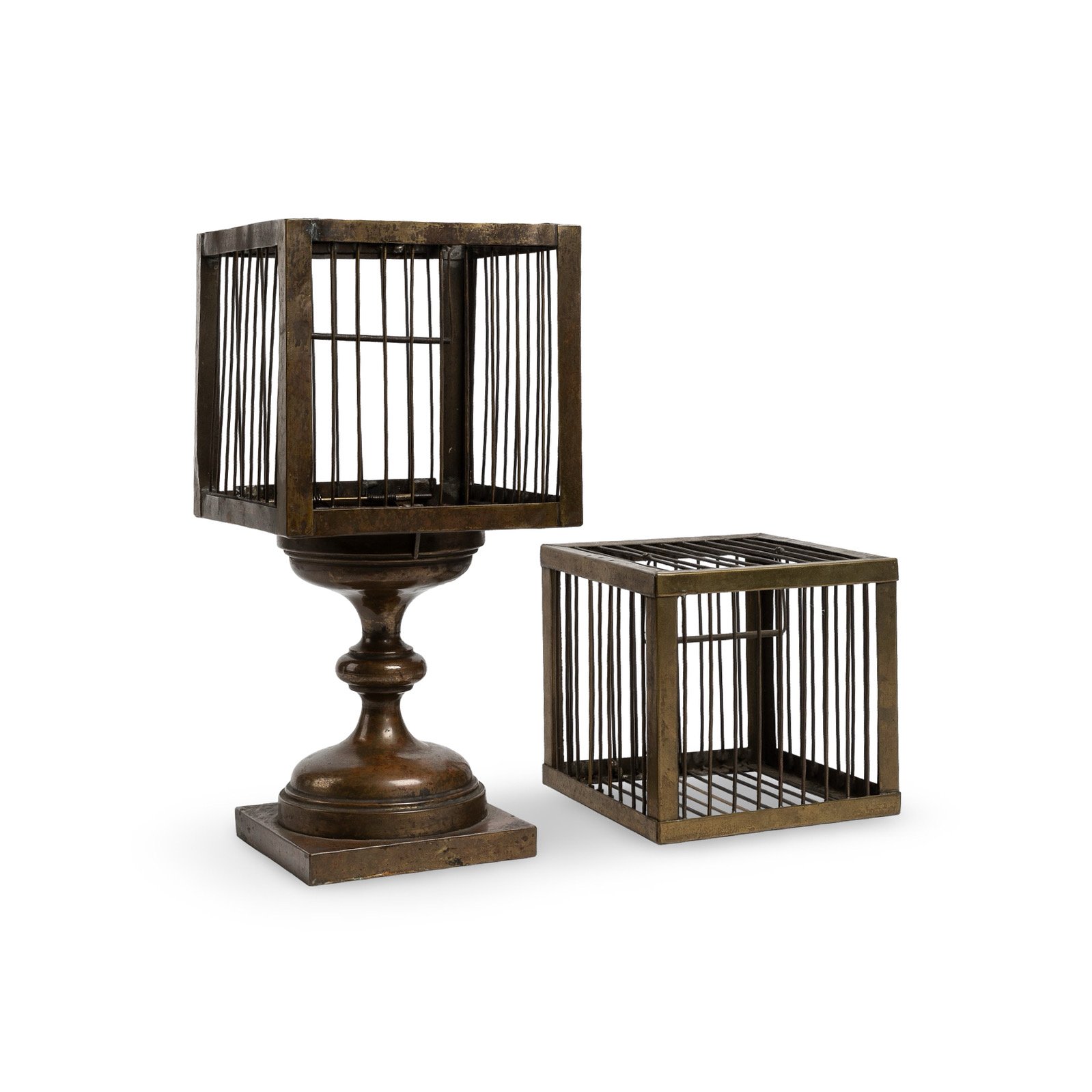
Featured: Flyto Cage. Ca. 1900.
An elegant example of turn-of-the-century magic apparatus, this Flyto Cage effect features a brass cage that vanishes beneath a handkerchief, only to reappear instantly—and in full view—within the open frame of a skeleton stand on the magician’s table. The reappearance requires no cover, allowing the audience to witness the impossibility without distraction.
-
![]()
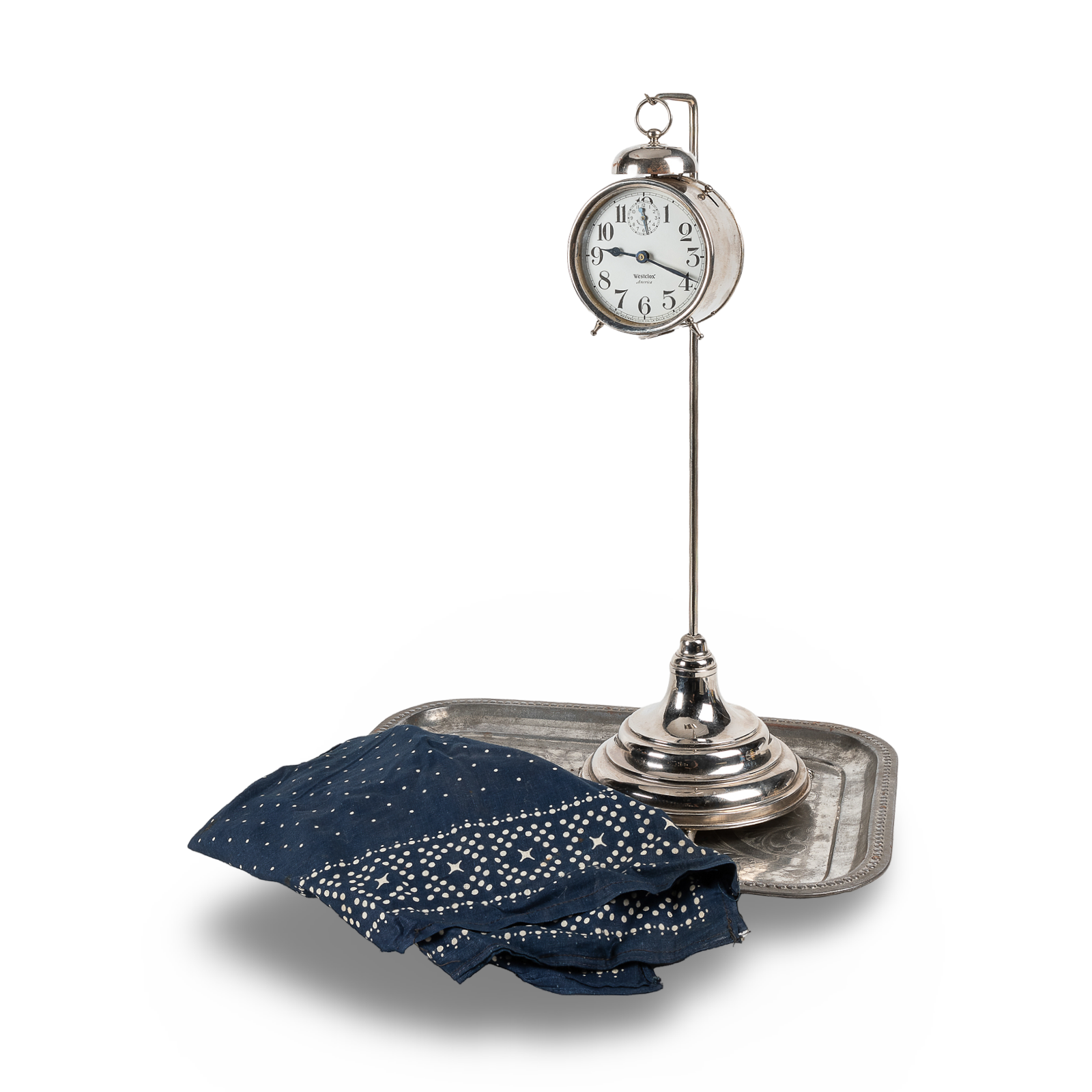
Featured: Vanishing Alarm Clock, ca. 1920s
A clock, covered by a cloth, hangs from a metal stand where it rings audibly. The cloth is whisked away, the ringing stops, the clock has vanished.